
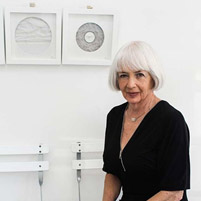
Juanita Oosthuizen, born in Calvinia and raised in the Cape platteland, has always been a creative explorer. From a young age, she experimented with paper, cloth, and plastic, driven by a desire to reimagine and rework aesthetically displeasing elements. Her creative journey began through questioning, directing, and observing the world around her.
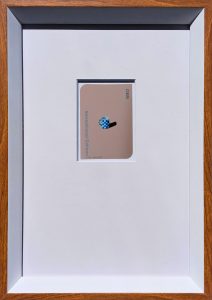
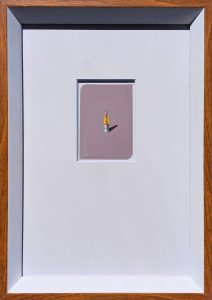
A chance encounter many years ago at the Tate Modern in London triggered her current choice of artistic medium. On that day, she came across a tiny artwork in a vast, empty hall, featuring a small figure as its subject. It immediately appealed to her love of delicate minimalism.
In the 1990s, while working for a corporate gifts company and following a transformative visit to Europe, Juanita Oosthuizen discovered sheet polypropylene and began incorporating the material into innovative packaging designs. This marked a pivotal moment in her career. In 1998, she founded a company specializing in the manufacturing and design of corporate and retail products. Her functional yet imaginative designs — ranging from stationery to household items — were regularly showcased at Design Indaba.
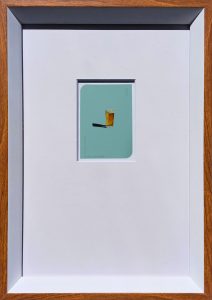
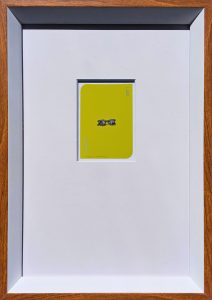
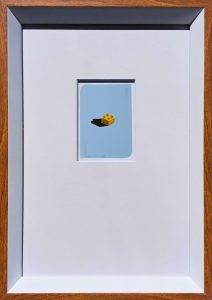
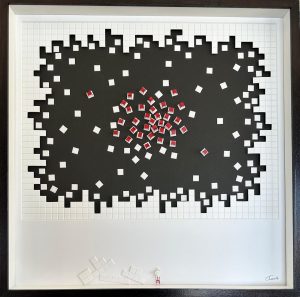
Since 2013, she has transitioned into a professional artist, embracing a minimalist aesthetic that explores time, memory, and human experience. Today, she is inspired to come up with creative ways to incorporate miniature figurines into works of art, placing them in carefully planned scenarios fashioned from board and paper. These are mounted in box frames to create intimate three-dimensional environments. She works mostly in black, white, and grey, sometimes introducing a smattering of colour to create an element of surprise. When composing a piece, she finds herself instinctively drawn to depict something surreal, wistful, pensive, and sometimes playful.
At times, she uses old photographs as backdrops for the figurines, creating an element of nostalgia and tender memory. Clients have also, on occasion, asked her to create pieces that depict fond memories from their own past.
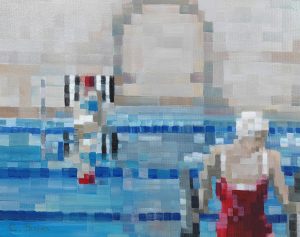
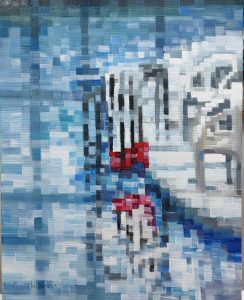
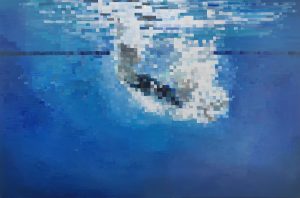
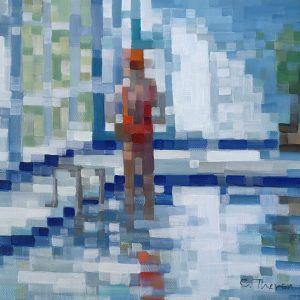
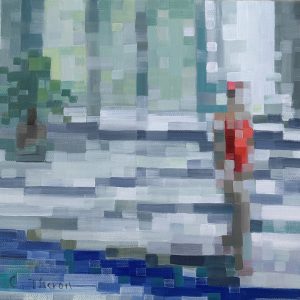
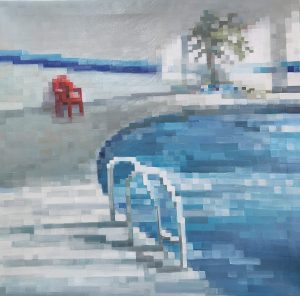
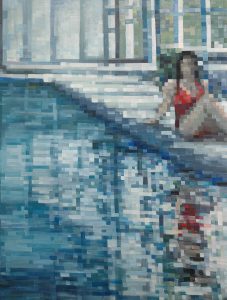
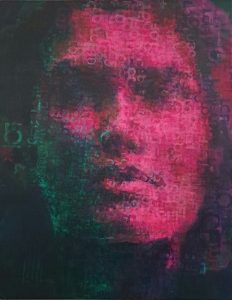
Juanita Oosthuizen has introduced paper weaving as another artistic medium in her work and is widely recognised for her distinctive pieces that incorporate woven paper, often combined with segments of cut or broken porcelain plates. She enjoys the process of weaving and is drawn to the rich texture of the final image. The challenge lies in disrupting and fragmenting the composition just enough for it to remain recognisable.